


The Rise of Conscious Luxury: How Premium Travel Is Being Redefined
The premium travel industry is undergoing a fascinating transformation. For years, luxury travel was associated with grand hotels, first-class flights, ultra-exclusive services, and experiences that often served as visible symbols of status.
The more expensive, exclusive, and extravagant it looked, the more prestigious it seemed.
But as 2026 approaches, that definition is changing dramatically.
As a company operating in the travel industry, we are witnessing a major shift in the behavior of premium travelers worldwide. Affluent travelers are no longer simply looking for visible displays of luxury. Instead, they are seeking experiences that feel more personal, meaningful, and aligned with their values.
This shift has created a growing trend known as conscious luxury—premium travel experiences that remain exclusive while becoming more responsible, intentional, and authentic.
This is expected to become one of the most important transformations in global tourism over the next few years.
Quiet Luxury Is Replacing Traditional Luxury
One of the clearest signs of this shift is the rise of quiet luxury.
Premium travelers are moving away from overly flashy experiences. They no longer feel the need to showcase their wealth through excessive displays of luxury.
Instead, they are gravitating toward experiences that feel private, subtle, and refined.
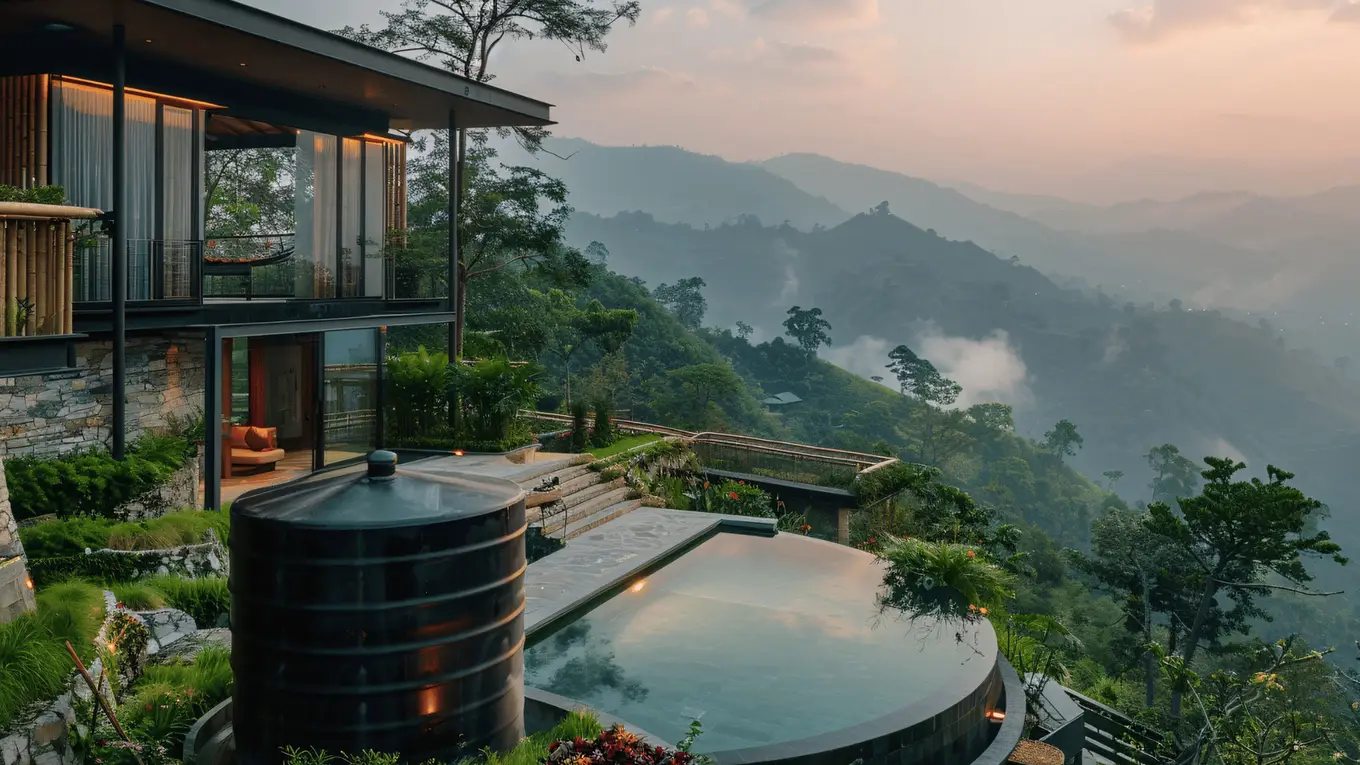
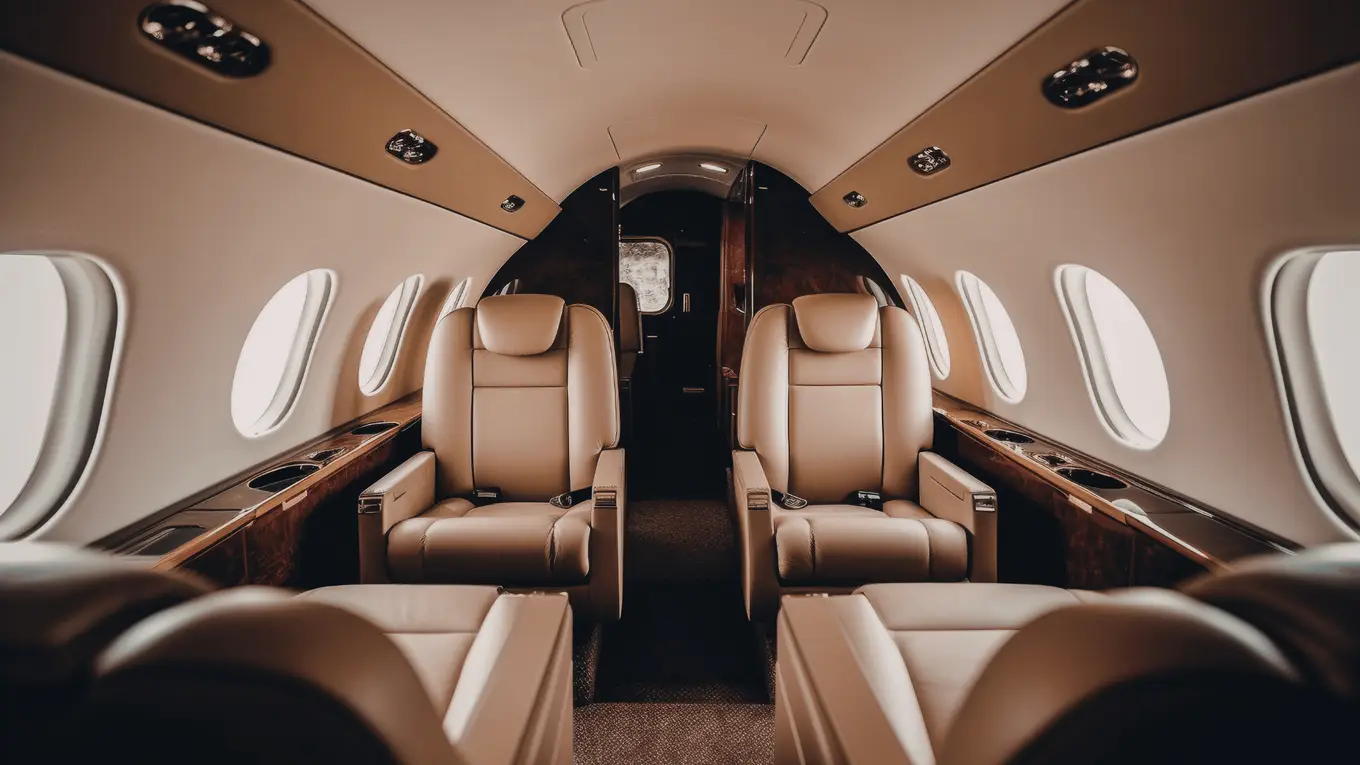
Many now prefer private villas over crowded luxury hotels, hidden destinations over heavily commercialized hotspots, boutique luxury resorts, highly personalized concierge services, and private transportation options that prioritize comfort and privacy.
The focus is no longer on showing luxury to others—it is about creating experiences that feel intimate, comfortable, and genuinely high quality.
Sustainability Has Become a New Standard
Another major transformation is the growing importance of sustainability.
In premium travel, sustainability is no longer viewed as a bonus feature that improves brand image.
It has become a baseline expectation.
Luxury travelers are increasingly considering the carbon footprint of their trips, choosing certified eco-resorts, seeking hotels powered by renewable energy, embracing farm-to-table dining, and avoiding hospitality brands that still rely heavily on single-use plastics.
Younger affluent consumers are especially drawn to brands with clear and measurable environmental commitments.
Wellness Travel Is Growing Rapidly
Health and wellness are also becoming major priorities in luxury travel.
Many premium travelers now view travel as an investment in both physical and mental well-being.
As a result, wellness tourism is experiencing rapid growth.
Travelers are increasingly seeking wellness retreats, meditation-focused trips, luxury spa destinations, digital detox resorts, and longevity tourism experiences centered on long-term health.
Travel is no longer just about entertainment—it is also about restoration and balance.
A New Generation of Wealthy Travelers Is Reshaping the Market
Much of this shift is being driven by younger high-spending travelers.
Affluent Gen Z and millennial travelers have very different preferences compared to previous generations.
They care more about ethical brands, sustainability, authentic experiences, and social impact.
For them, luxury without purpose feels increasingly outdated.
Their choices are gradually reshaping the global premium travel market.
Technology Is Making Luxury More Personal
Technology is also accelerating this transformation.
Artificial Intelligence now allows travel companies to create deeply personalized experiences for premium customers.
From customized itineraries and AI concierge services to predictive travel preferences and highly tailored recommendations, technology is redefining what premium service looks like.
Luxury travelers increasingly expect experiences that feel uniquely designed for them.
What Does This Mean for the Travel Industry?
For hotels, airlines, and luxury travel providers, this shift cannot be ignored.
Businesses must invest in sustainability programs, hyper-personalized services, premium wellness offerings, and more authentic local experiences.
Brands that fail to adapt to these new expectations risk losing relevance in an evolving global market.
Ultimately, the future of luxury is no longer about being the loudest.
It is becoming quieter, more personal, and far more responsible.
Footnotes
1 Global sustainable luxury consumer trends
2 Global Wellness Institute tourism forecast
3 Gen Z consumer sustainability behavior report