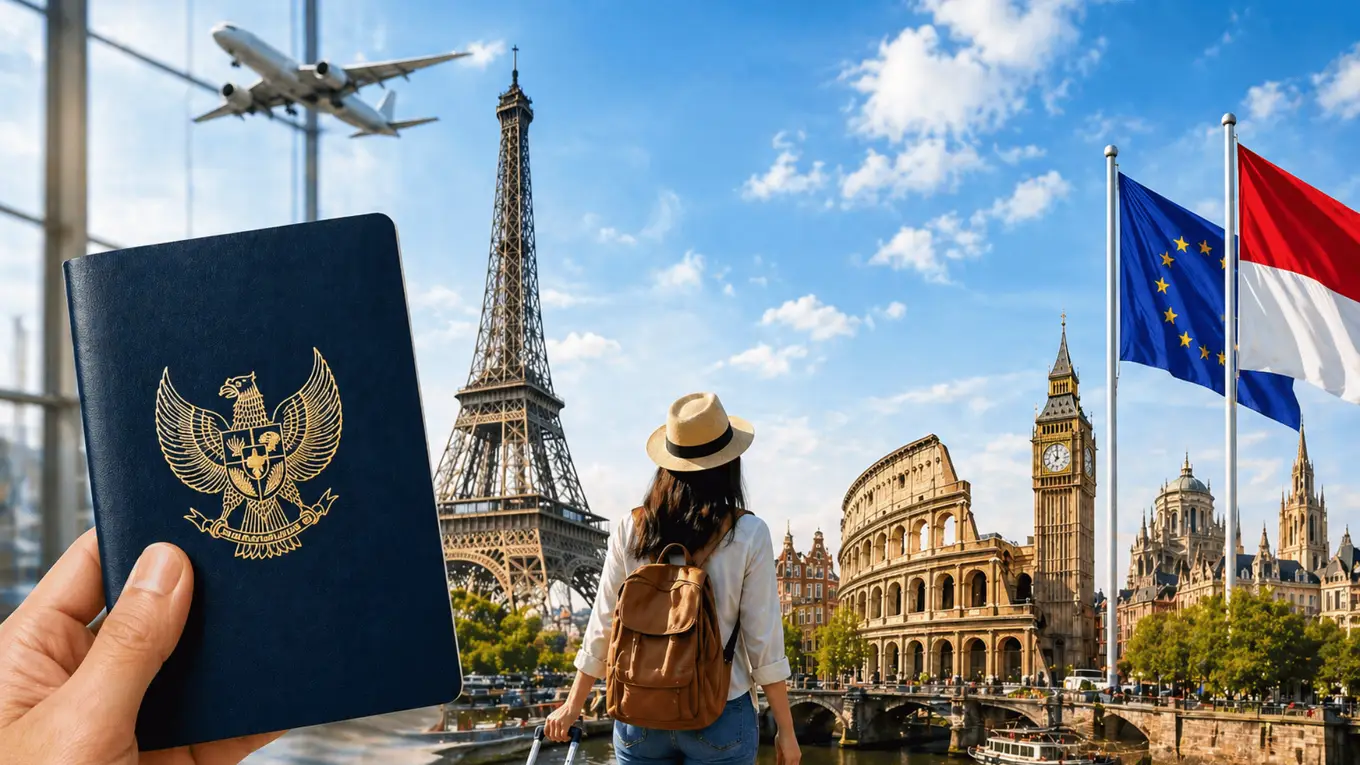




How Geopolitical Conflicts Are Shaping Travel Costs and Consumer Behavior Globally
For many people, travel is often seen as an escape from everyday life. But in an increasingly connected world, the travel industry is never truly separated from global events.
What happens in diplomatic negotiations, energy markets, or conflict zones thousands of miles away can quickly influence travel experiences around the world.
Rising geopolitical tensions involving major global powers—including growing tensions between the United States, Israel, and Iran—are once again becoming a major concern for the global travel industry.
According to analysis by An Hodgson, geopolitical conflicts are no longer just political issues—they now create direct ripple effects on energy prices, transportation costs, and global consumer behavior.
The travel industry is now operating in an environment shaped by constant uncertainty.
Oil Prices Are Becoming a Major Pressure Point
One of the fastest impacts of geopolitical conflict is volatility in global oil prices.
When tensions rise in major oil-producing regions, energy markets often react immediately.
Higher oil prices directly affect aviation fuel costs.
As airline operating expenses rise, international airfare often becomes more expensive.
Global logistics costs may also increase, pushing up overall travel-related expenses.
For travelers, this often translates into higher ticket prices.
Travelers Are Feeling the Effects Directly
The impact of geopolitical tensions is becoming increasingly visible at the consumer level.
Travelers are facing more expensive flights, rising hotel prices, and fluctuating tour package costs.
In some cases, airlines are forced to reroute flights to avoid conflict zones.
These route changes can lead to longer travel times and reduced efficiency.
For international travelers, geopolitical instability has become another factor to consider before booking trips.
Consumer Behavior Is Changing
As global uncertainty rises, travelers are becoming more cautious.
Many consumers are delaying travel decisions and booking closer to departure dates through last-minute reservations.
Others are shifting toward domestic destinations that feel safer and more affordable.
Demand for travel insurance is rising as travelers seek additional protection.
Flexible ticket options are also becoming increasingly popular to prepare for sudden disruptions.
Travelers are prioritizing safety, affordability, and flexibility.
The Travel Industry Remains Resilient
Despite geopolitical pressures, the global travel market continues to show resilience.
International travel demand is still growing in several regions.
New flight routes, regional tourism growth, rising bleisure travel trends, and the travel sector’s flexibility are helping maintain momentum.
This demonstrates the industry’s ability to adapt even during global crises.
Travel Strategies for 2026
In this uncertain environment, travelers need to become more adaptable.
Booking flights earlier may help avoid sudden price increases.
Monitoring global energy markets can provide insight into potential travel cost increases.
Travel insurance is becoming increasingly important.
Many travelers are also considering alternative destinations and setting aside emergency travel budgets.
Flexibility and stronger planning will become essential travel strategies.
Travel in an Uncertain World
Geopolitical conflict is now one of the key forces shaping the future of global travel.
From airfare pricing to destination choices, travelers must become more strategic in navigating global uncertainty.
As 2026 approaches, international travel will continue to grow—but it will be far more dynamic and carefully planned than before.
Footnotes
1 An Hodgson analysis on geopolitical travel risks
2 Global oil market volatility data
3 International traveler behavior trends